
Understanding the Benefits of Physical Activity in Aging
As we age, maintaining physical activity becomes increasingly important for health and well-being. This article explores the benefits of physical activity for older adults, supported by research and expert opinion, while also acknowledging the efforts required to integrate it into daily life.
Why Physical Activity Matters
According to the World Health Organization (WHO), regular physical activity is vital for all ages, but its significance increases in older adults. Engaging in physical activities can help to combat common health issues such as heart disease, diabetes, and certain cancers. Research indicates that older adults who participate in regular exercise often experience improved mental health, enhanced mobility, and a greater overall quality of life.
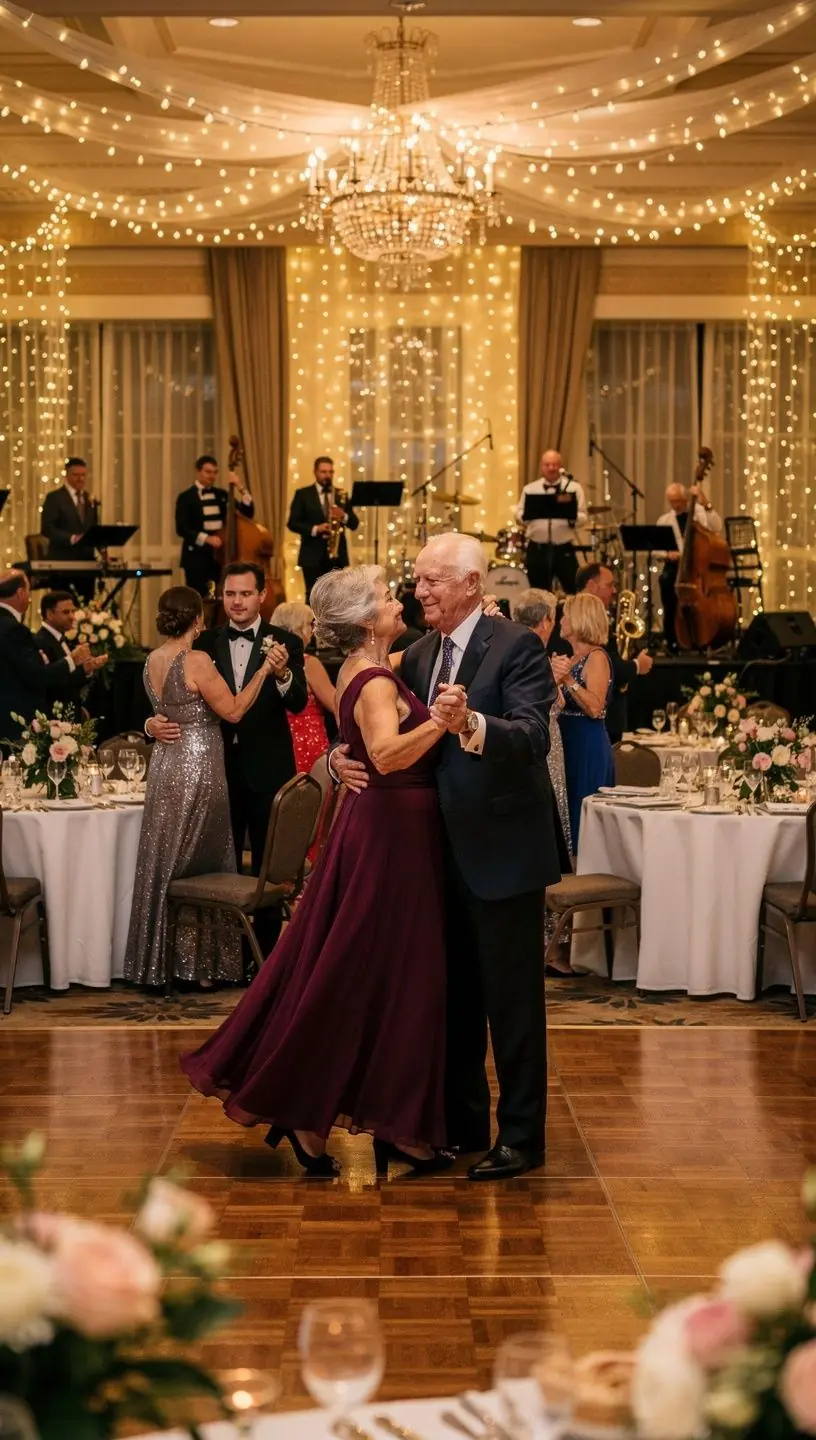
"Regular physical activity can significantly reduce the risk of chronic disease and enhance functional abilities in older adults." - WHO
Types of Beneficial Activities
Experts recommend a well-rounded exercise program that includes:
- Aerobic Exercises: Activities like walking, swimming, or cycling can help improve cardiovascular health. Studies show that even moderate aerobic activity for 150 minutes a week can yield substantial health benefits.
- Strength Training: Engaging in resistance exercises two or more times a week can enhance muscle mass and bone density. This is particularly important for older adults, as muscle loss typically accelerates with age.
- Flexibility and Balance Activities: Incorporating yoga or tai chi can improve flexibility and balance, reducing the risk of falls—a common concern among older adults.
Challenges and Considerations
While the benefits of physical activity are clear, it is also crucial to acknowledge the potential barriers that older adults may face:
- Time Commitment: Establishing a consistent routine may require a commitment of at least 30 minutes most days of the week, which can be challenging for some individuals.
- Physical Limitations: Older adults may need to adapt exercises to accommodate existing health conditions or mobility issues, which can involve additional learning or guidance.
- Motivation: Maintaining motivation can be difficult, especially if results are not immediate. It typically takes several weeks to notice significant improvements in strength and endurance.
Making Physical Activity a Priority
To effectively incorporate physical activity into your daily routine, consider the following strategies:
- Set Realistic Goals: Start with achievable targets, such as a 10-minute walk, and gradually increase duration and intensity.
- Find Enjoyable Activities: Whether it's dancing, gardening, or group classes, engaging in activities that you enjoy can enhance adherence to your exercise program.
- Seek Professional Guidance: Consulting with a physical therapist or fitness coach familiar with senior fitness can provide personalized recommendations tailored to your specific needs.
Conclusion
Physical activity is a key component of healthy aging, offering numerous benefits that can significantly improve the quality of life for older adults. While the journey towards a more active lifestyle might require time and effort, the positive outcomes of enhanced physical health, mental well-being, and social engagement make it a worthwhile pursuit. By setting realistic goals and seeking support where needed, older adults can harness the many advantages that physical activity has to offer.
Learn More