Integrating Dance into a Healthy Retirement Plan
As individuals approach retirement, it’s essential to plan not only for financial stability but also for physical and mental well-being. One increasingly popular approach is integrating dance into retirement plans. This article explores how dance can enhance the quality of life during retirement and why it may be a valuable addition to your retirement strategy.
Understanding the Benefits of Dance
Participating in dance has been shown to provide numerous health benefits. According to research published in the *Journal of Aging and Physical Activity*, engaging in regular dance activities can improve balance, coordination, and overall physical fitness among older adults. These improvements are crucial as they can reduce the risk of falls—a common concern in retirement.

"Studies show that dance can improve cognitive function and promote social interaction, contributing to a healthier retirement lifestyle."
Why Dance Works as a Retirement Activity
The principle behind incorporating dance into a retirement plan is multifaceted:
- Physical Activity: Dance typically involves movement that strengthens muscles and promotes cardiovascular health. Regular participation may help manage weight and prevent age-related health issues.
- Cognitive Engagement: Dance routines often require remembering steps and sequences, which can stimulate brain function. Research indicates that engaging in mentally challenging activities can help maintain cognitive health.
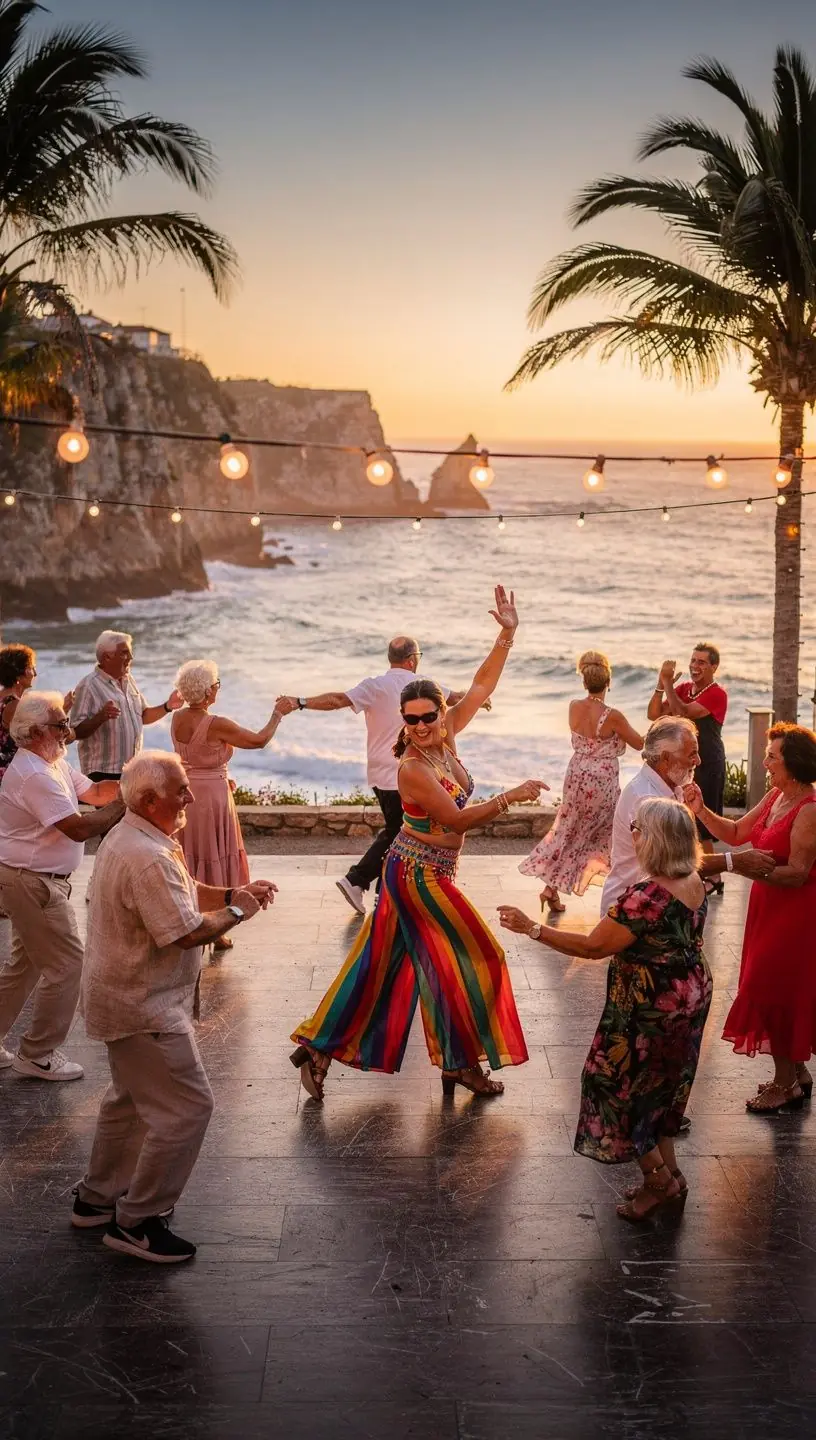
- Social Interaction: Many dance programs encourage group participation. This fosters social connections, which are vital for emotional well-being and can help combat feelings of isolation often experienced during retirement.
Implementing Dance into Your Retirement Plan
Integrating dance into your retirement plan can be straightforward. Here are some actionable steps to consider:
- Research Local Classes: Look for dance classes tailored for seniors in your area. Many community centers offer programs specifically designed for older adults.
- Start Slow: If you’re new to dance, begin with basic classes. This approach allows you to build confidence while minimizing the risk of injury.
- Set a Routine: Aim for a consistent schedule, such as two to three classes per week. Experts recommend that regular engagement is key to seeing benefits over time.
Acknowledging the Limitations
While dance can be an effective component of a retirement plan, there are some considerations to keep in mind:
- Participation typically requires a commitment of time and effort, with most benefits appearing after consistent practice over several weeks or months.
- It may involve a learning curve, particularly for those who have never danced before. Patience and perseverance are essential.
- Not all dance styles will be suitable for every individual; personal interests and physical abilities should be considered when choosing a class.
Conclusion
Integrating dance into your retirement plan can lead to improved physical health, enhanced cognitive function, and stronger social connections. By understanding the benefits and setting realistic expectations, you can create a fulfilling and enjoyable retirement experience. Remember, while dance is a promising avenue, it’s important to approach it with openness and a willingness to learn. For many, this can lead to a vibrant and active lifestyle during the golden years.