The Importance of Social Engagement in Retirement
As individuals approach retirement, the significance of social engagement often becomes a focal point. While financial planning is crucial, the psychological and emotional benefits of maintaining a vibrant social life are equally important.
Understanding the Basics of Social Engagement
Social engagement refers to the degree to which individuals participate in social activities and maintain connections with others. According to research published in the "Journal of Gerontology," active social engagement can lead to improved mental health and well-being in older adults. Many studies indicate that those who prioritize social interactions often experience lower rates of depression and anxiety.

"Social engagement has been shown to be a significant predictor of overall life satisfaction in retirement." - Expert in gerontology
Why Social Interaction Matters
The principle behind why social interaction is beneficial lies in its ability to provide emotional support, reduce feelings of loneliness, and foster a sense of belonging. Engaging with others can stimulate cognitive functions, as it often requires communication, problem-solving, and emotional intelligence. Research indicates that older adults who engage socially can maintain cognitive function longer than those who are isolated.
Practical Ways to Enhance Social Engagement
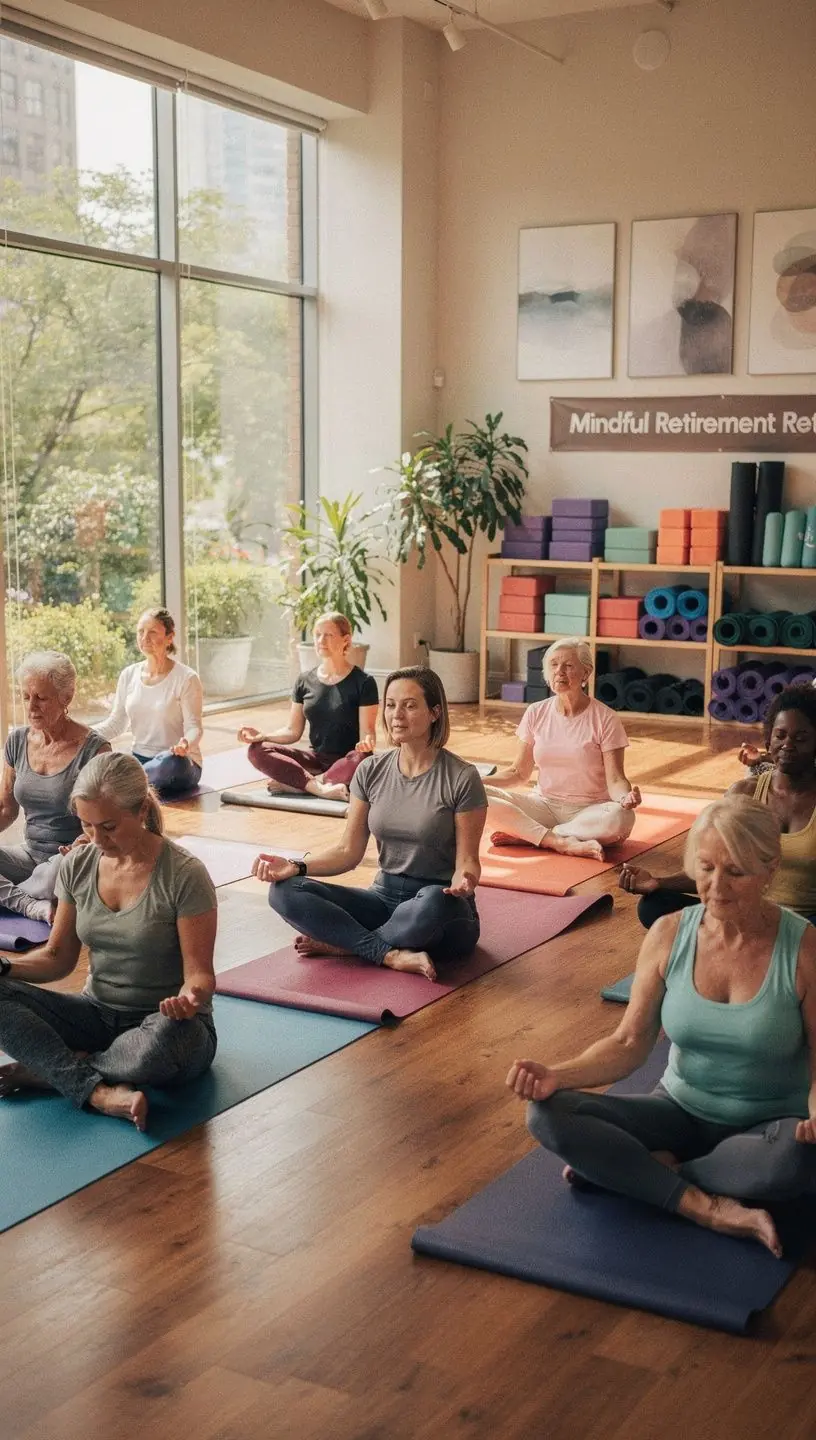
Incorporating social activities into your retirement plans typically takes some time and effort, but the benefits can be profound. Here are a few effective strategies to consider:
- Join Clubs or Organizations: Many communities offer clubs centered around interests such as books, gardening, or dance. Joining these groups can provide regular social interaction and create new friendships.
- Volunteer Opportunities: Engaging in volunteer work not only benefits your community but also allows for meaningful connections with others who share your passions.
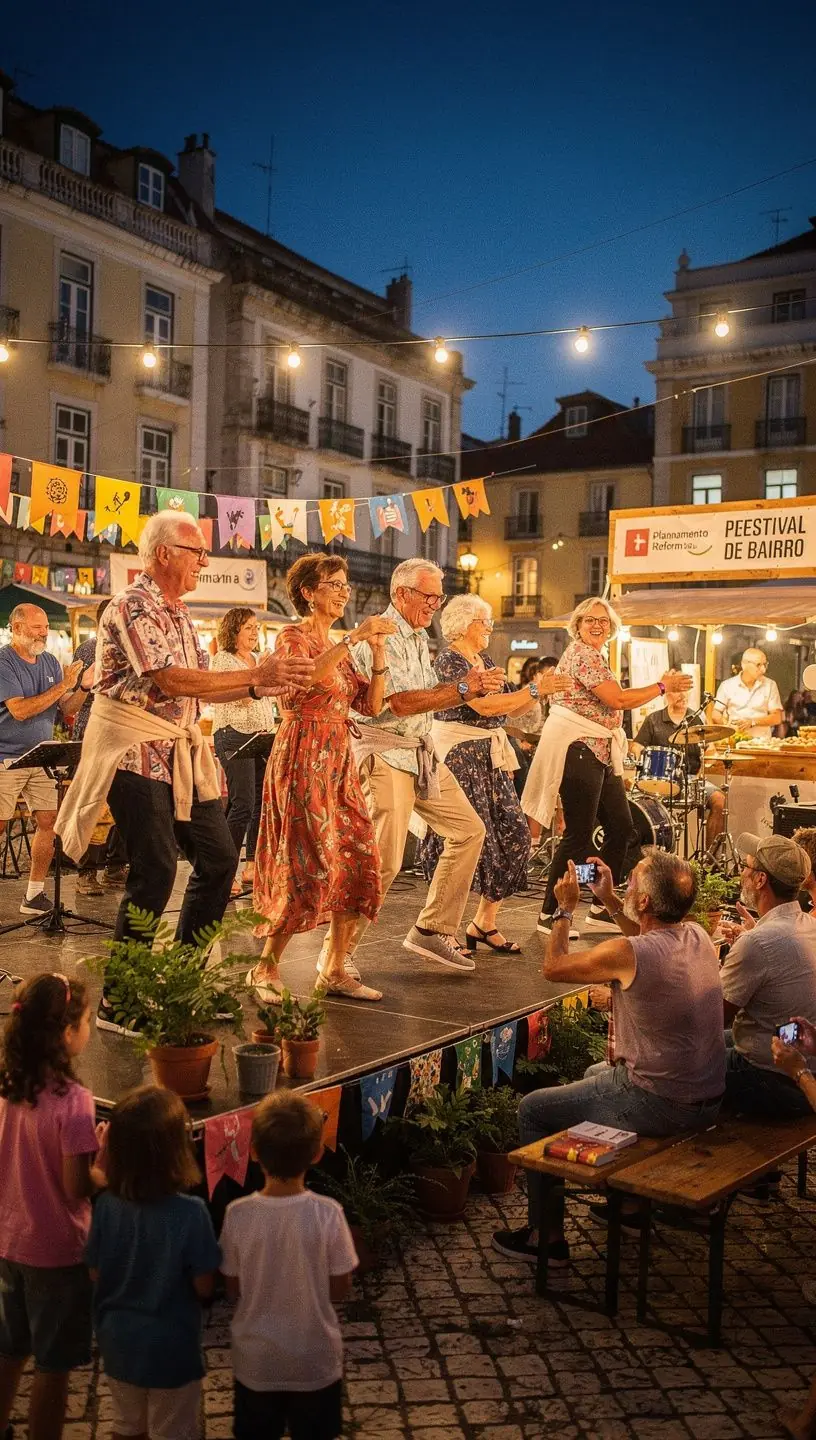
- Participate in Events: Look for local events or workshops designed for retirees. Curated programs, such as dance events, can be particularly effective in combining social interaction with enjoyable activities.
The Role of In-Person Planning Sessions
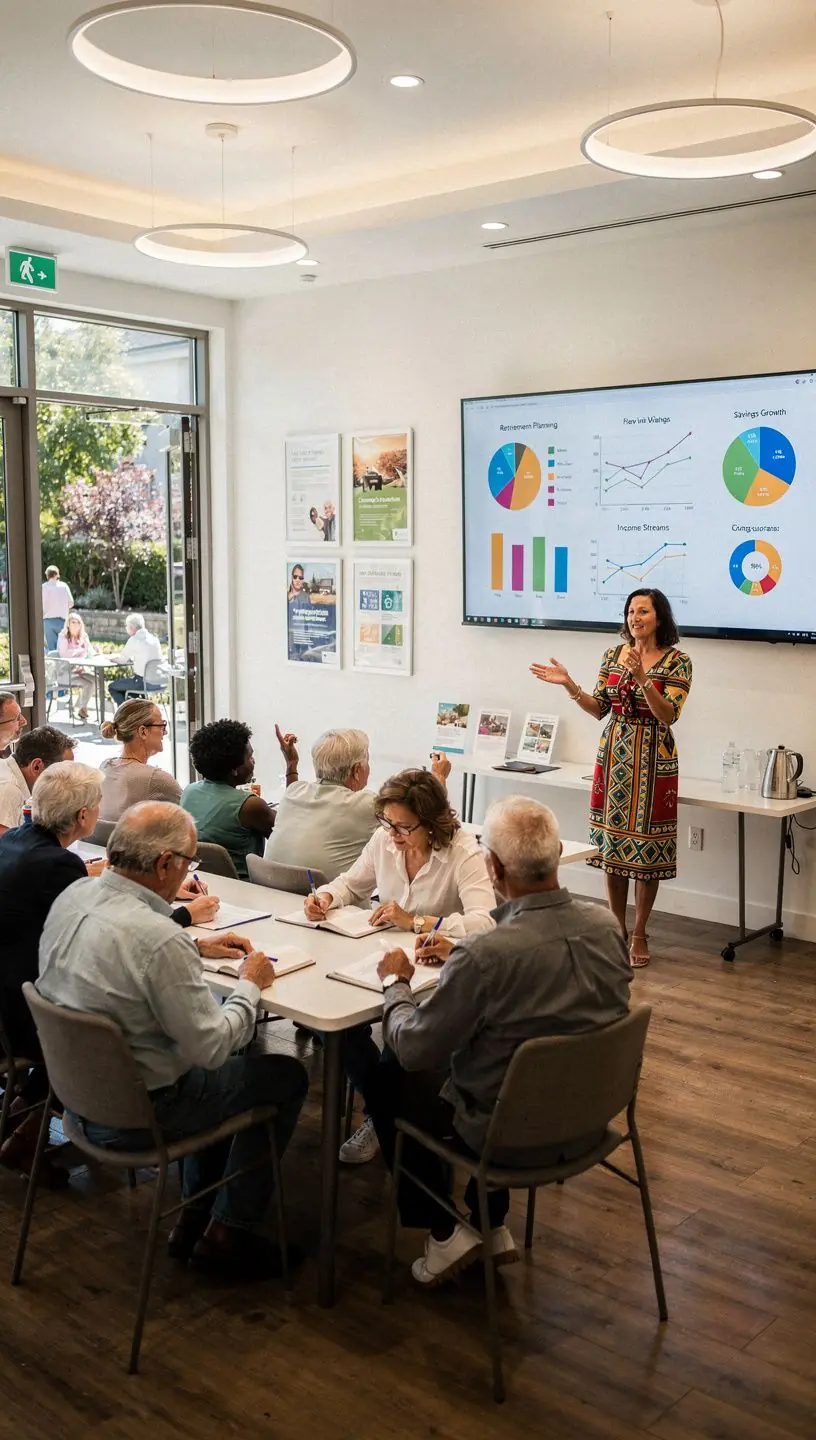
In-person planning sessions with coaches can help individuals identify the types of social engagements that resonate with their interests and lifestyles. These sessions typically involve:
- Assessment of personal interests and social needs.
- Development of a tailored action plan that includes social activities.
- Regular follow-ups to adjust plans based on experiences and preferences.
This structured approach works best for those who might feel overwhelmed or unsure about how to start engaging socially. Additionally, recognizing that social engagement requires consistent effort can help set realistic expectations for your retirement journey.
Conclusion
In conclusion, fostering social engagement during retirement is not just beneficial; it is essential for mental and emotional well-being. While it may require a commitment of time and effort, engaging with others can lead to a richer, more fulfilling retirement experience. By considering structured planning sessions and participating in curated events, retirees can build a vibrant social network that enhances their quality of life.
Learn More