Exploring the Benefits of Dance in Retirement Transition
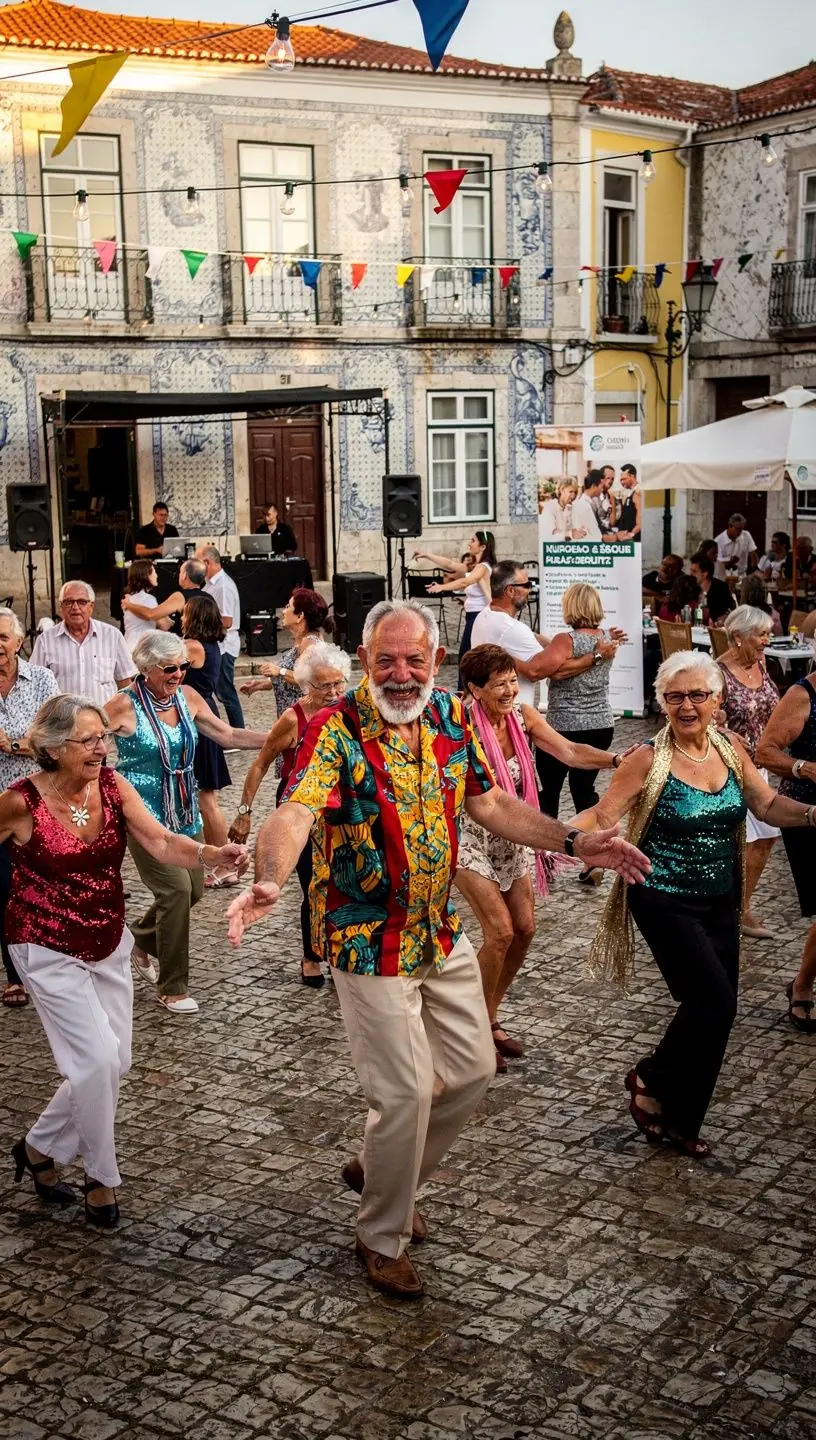
As individuals approach retirement, they often seek new ways to enrich their lives and maintain their health. Engaging in dance can be a powerful tool during this transition, offering physical, emotional, and social benefits that may enhance the overall retirement experience.
Understanding the Role of Dance in Retirement
Dancing is not only a form of artistic expression but also a physical activity that has been linked to numerous health benefits. Research indicates that engaging in regular dance can improve cardiovascular health, enhance balance, and even boost cognitive functions. According to a study published in the Journal of Aging and Physical Activity, older adults who participate in dance classes report improved mobility and strength over time.
"Dance is a unique form of exercise that combines physical movement with social interaction, making it particularly advantageous for those in retirement." - Dance Health Expert
Physical Health Benefits
Incorporating dance into a regular routine can address several health concerns that may arise as one ages:
- Improved Cardiovascular Health: Many forms of dance, such as salsa or ballroom, are aerobic in nature, which can help strengthen the heart and improve circulation.
- Enhanced Balance and Coordination: Dance requires coordination and the ability to move gracefully, which can help reduce fall risk, a common concern for seniors.
- Flexibility and Strength: Regular dancing helps to stretch muscles and build strength, contributing to overall physical health.
Emotional and Cognitive Benefits
Beyond physical advantages, dance also promotes mental well-being. Studies show that engaging in dance can significantly reduce symptoms of depression and anxiety, enhancing general mood. The social aspect of dancing, particularly in group settings, fosters a sense of community and belonging, which is important during retirement when social circles may change.
"Social engagement through dance helps promote emotional well-being and combats feelings of isolation." - Social Psychology Research
How to Get Started with Dance
For those considering dance as a means to ease the retirement transition, starting is often simpler than one might think:
- Find a Local Class: Many communities offer dance classes tailored for seniors, providing both instruction and a supportive environment.
- Use Online Resources: If in-person classes are not available, online tutorials can offer a flexible alternative to begin learning at your own pace.
- Practice Regularly: Consistency is key. Aim for at least two to three dance sessions per week to see significant improvements and benefits.
Setting Realistic Expectations
While the benefits of dance are numerous, it is important to acknowledge the effort and time commitment involved. Typically, participants may notice improvements in fitness or mood within 4-6 weeks, but results may vary based on individual engagement and previous experience. Experts suggest starting gradually, especially if one has not previously engaged in regular exercise.
Conclusion
Engaging in dance as a part of your retirement transition can offer multifaceted benefits that enhance both physical health and emotional well-being. By understanding the positive impacts of dance, exploring local classes, and committing to regular practice, retirees can enjoy a vibrant and fulfilling lifestyle. Remember, while dance can be an effective tool for enriching retirement, it's essential to approach it with realistic expectations and consistency for the best results.
Learn More